Rapamycin and mTOR, read from the research
A drug that stops organ rejection turned out to make mice live longer, even when they started it late in life. Since then the field has split into believers, sceptics and people running careful trials. We read all three so you can see which claims stand on data.
C51H79NO13
Rapamycin, Aging, and the mTOR Frontier
35 minutes. A narrated research briefing from the Rapamycin Lab editors, with every source checked.
Read what the episode covers
Rapamycin Discovered on Isolated Easter Island
Easter Island sits in the South Pacific roughly 2,300 miles off the coast of Chile, making it one of the most geographically isolated inhabited places on the planet. The nearest land with actual people on it is Pitcairn Island, which is itself so remote that its entire population fits comfortably into a mid-sized elevator. People mostly know Easter Island for the moai — those enormous stone heads staring blankly into the middle distance, looking like they're waiting for a connecting flight that will never come. What far fewer people know is that the soil underneath those statues contains a bacterium that may one day change how long human beings live.
In 1972, a Canadian scientific expedition collected soil samples from Easter Island — known to its indigenous Polynesian inhabitants as Rapa Nui. The researchers were hunting for antifungal compounds, which is a perfectly reasonable thing to do, even if the career description "scientist who digs up dirt on the world's most remote island" doesn't exactly electrify a job fair. What they found, isolated from a bacterium called Streptomyces hygroscopicus, was a macrolide compound with potent antifungal properties. They named it rapamycin, after Rapa Nui. The antifungal angle turned out to be the least interesting thing about it. Medicine has a long and consistent history of exactly this.
Over the following decades, rapamycin revealed itself to be a powerful immunosuppressant. The FDA approved it in 1999 under the brand name Rapamune for preventing organ rejection after kidney transplantation. That remained its primary identity for the next decade — a drug for transplant patients, filed away in the section of pharmacology most people hope never becomes personally relevant to them. The year 2009 changed that entirely.
The National Institute on Aging runs a program called the Interventions Testing Program, or ITP, which systematically tests compounds for their ability to extend lifespan in mice. Not just any mice — genetically heterogeneous UM-HET3 mice, bred to reflect real biological diversity rather than the artificially uniform strains that populate most lab experiments. The ITP runs its tests simultaneously at three independent research sites, so when a result appears, it has cleared a reasonably high bar for credibility.
In a 2009 paper published in Nature, the ITP team led by David Harrison reported that rapamycin extended lifespan in both male and female mice. The result was described as the first demonstration of pharmacological lifespan extension in both sexes of a mammalian species. The finding was striking on its face. It was more striking for when treatment actually started. The mice were 600 days old when the experiment began. The ITP researchers described 600 days as roughly the equivalent of a 60-year-old person. The drug was not administered to young animals as a lifelong preventive. It was handed to middle-aged mammals, and it still worked.
That detail reconfigured how aging researchers thought about when intervention might matter. If you give a 60-year-old equivalent a compound and measurably extend its life, the therapeutic window for aging drugs is dramatically wider than anyone had assumed. It also meant that whatever rapamycin was doing, it was not simply preventing early developmental damage. It was acting on processes already well underway in an aged body. That is a much more useful property for a drug aimed at the roughly eight billion humans who have already been alive for a while.
mTOR Pathway Extends Lifespan Across Multiple Species
The molecule's name carries a second layer of meaning beyond its island of origin. mTOR — the mechanistic target of rapamycin — is the protein the drug acts on, and it sits at the center of one of the most important regulatory systems in cell biology. By 2009, the TOR pathway had already been shown to modulate lifespan in yeast, in worms, and in flies. The mouse result made TOR the first protein demonstrated to control lifespan across all four of biology's primary model organisms. That is a short list with exactly one entry.
As of 2026, rapamycin and its chemical relatives carry the most extensive preclinical and translational evidence for geroprotection of any repurposed drug in the field. The compound that started as a soil scraping from a Pacific island that nobody can get to, approved three decades later to help transplant recipients, has become the anchor compound of a scientific program asking whether human aging is a fundamentally modifiable process. The moai are still staring into the distance. The bacterium beneath their feet turned out to have more to say than any of them.
The reason rapamycin ended up mattering so much to aging science comes down to what it actually targets. mTOR — mechanistic target of rapamycin, named after the drug that revealed its existence — is one of the most important protein kinases in your body, and it has been running the same cellular program since long before anything with a spine showed up on the planet.
mTOR is a serine/threonine kinase, which means it phosphorylates other proteins, switching them on or off in chain reactions that ultimately control what the cell does next. What mTOR specifically controls is the decision between growth and repair. When your cell has plenty of nutrients, plenty of energy, and a green light from growth factors in the environment, mTOR activity rises and the cell shifts into building mode — it fires up protein synthesis, stimulates anabolic metabolism, and tells the housekeeping crew to stand down. When resources are scarce, mTOR activity falls, and the cell pivots to a different agenda entirely. It starts breaking down its own damaged components through a process called autophagy, recycling dysfunctional proteins and worn-out organelles to keep the machinery running. mTOR holds an internal referendum on this question continuously, and it is the one counting the votes.
This trade-off makes complete sense developmentally. When you are a rapidly growing organism — building organs, expanding tissues, doing all the expensive biological construction work that characterizes early life — you want mTOR cranked up. Growth requires protein synthesis. Protein synthesis requires mTOR. The pathway is indispensable during development, and organisms that lacked it did not last long enough to file a complaint about that particular design choice.
The problem arrives later. Growth-promoting programs that are appropriate during development do not simply switch off when development is done. They keep running. mTOR keeps receiving signals to build and synthesize even in cells that have not needed to grow in decades. The result is chronically elevated mTORC1 activity — not because anything has gone catastrophically wrong, but because a program that was useful at twenty is still running at sixty, like a construction crew that finished the building twenty years ago and is still showing up every day, tearing up the floors. Chronically active mTORC1 keeps cells locked in growth and biosynthetic modes, suppressing the autophagy machinery that would otherwise clear accumulating cellular debris. Damaged proteins pile up. Dysfunctional organelles stick around. The cell's quality control deteriorates, and the cell has no mechanism to notice.
mTORC1 Governs Cell Size and Protein Translation
mTORC1 — the specific complex that rapamycin targets — controls the translation of messenger RNAs bearing what are called 5-prime terminal oligopyrimidine motifs, regulating which proteins the cell actually builds from its genetic instructions. It is also a master regulator of cell size, controlling how large a cell grows in response to its nutrient environment. When mTORC1 is active, it phosphorylates proteins called S6K1 and 4E-BP1, driving protein synthesis and blocking autophagy at the same time.
Rapamycin interrupts this through a mechanism that is indirect and a little elegant. Rapamycin does not bind mTOR directly. It first binds an intracellular protein called FKBP12, forming a complex. That complex then docks onto mTORC1 and allosterically inhibits it — meaning it changes mTOR's shape just enough to impair its function without sitting in the active site. The result is that mTORC1 activity falls, the ULK1 autophagy initiation complex gets released from inhibition, and the cell shifts back toward clearing damaged components. Autophagy regulation involves a set of interacting kinases — mTORC1, ULK1, AMPK, and VPS34 — that form a network of activating and inhibiting influences, and rapamycin's entry point is mTORC1's grip on that system.
This is why rapamycin is described as a caloric restriction mimetic. Caloric restriction — eating substantially less without malnutrition — is one of the most reproducible interventions for extending lifespan in animal models. The leading mechanistic explanation is that low nutrient availability drops mTOR activity, upregulates autophagy, and keeps cells in a maintenance posture longer than they would otherwise stay there. Rapamycin, in this framing, does pharmacologically what caloric restriction does nutritionally: it tells the cell the fridge is empty, so the cell should clean the house instead of starting another construction project. Whether this framing captures the full mechanism remains an open question. That it captures something real does not.
In animal models, mTOR inhibition through rapamycin and its analogs consistently prolongs life and improves age-related physiological functions — heart function, cognitive abilities, and immune performance have all shown measurable improvement in preclinical work. The drug scraped from the edge of an island that nobody can get to, approved for transplant recipients, proved to be a key to one of cell biology's most fundamental switches. That this switch has been conserved across virtually every organism with cells is either proof of its importance or proof that evolution, like that construction crew, found something that worked and never saw any reason to stop.
mTOR does not exist as one monolithic thing floating through your cells making unilateral decisions. It assembles into two structurally and functionally distinct complexes, and the difference between those complexes is the reason rapamycin works the way it does — and also the reason it does not work as well as everyone would like.
The first complex is mTORC1. Its defining scaffold protein is Raptor — short for Regulatory-Associated Protein of mTOR — which recruits substrates to the kinase by binding a short sequence called the TOS motif. mTORC1 also contains mLST8, which stands for mammalian lethal with SEC13 protein 8, a name that commits fully to being impossible to remember at a dinner party, plus DEPTOR and PRAS40, both of which act as brakes on the system. The small GTPase that actually switches mTORC1 on is RHEB, Ras Homologue Enriched in Brain. RHEB binds to mTOR at a site distal from the kinase active site, and when it does, it causes a global conformational change that allosterically realigns the active-site residues and accelerates catalysis. A cryo-electron microscopy structure of activated RHEB-mTORC1 was resolved at 3.4 ångström resolution, which is close enough to see where individual atoms are causing trouble. Researchers now know in atomic detail exactly how this machinery is built and how RHEB turns it on.
mTORC2 Complex: Rictor, SIN1, and Substrate Specificity
The second complex is mTORC2. It shares mLST8 and DEPTOR with mTORC1 — those two subunits apparently decided to serve two masters simultaneously, which never ends well — but its defining subunits are Rictor and SIN1, the Mammalian Stress-Activated Protein Kinase Interacting Protein 1. SIN1 maintains the structural integrity of mTORC2 and determines its substrate specificity. The core complex consists of mTOR, Rictor, SIN1, and mLST8. mTORC2's primary job is to phosphorylate Akt at Ser473, which promotes cell survival and metabolism. Knock out any one of the mTORC2 subunits — Rictor, SIN1, or mLST8 — and Akt Ser473 phosphorylation falls. mTORC2 also regulates cell growth and migration. It is, in short, doing different work than mTORC1 and doing it through a different set of protein interactions.
Here is the asymmetry that makes all of this matter for aging research: rapamycin acutely inhibits mTORC1 but largely spares mTORC2. The reason comes down to a structural feature called the FRB domain. The mTOR active site is highly recessed, with both the FRB domain and an inhibitory helix protruding from the catalytic cleft — the kinase is not casually accessible, it requires substrates to pass through what amounts to a molecular checkpoint. The FRB domain is that checkpoint. It grants substrates access to the otherwise restricted active site by recruiting them to the rapamycin-binding site on its surface before handing them off to the catalytic machinery. When the FKBP12-rapamycin complex docks onto mTORC1, it physically blocks substrate recruitment to the FRB domain and further restricts access to the active site. In mTORC2, this same FRB gate is inaccessible in the assembled architecture, so the drug complex cannot reach it under normal conditions.
The practical consequence of this selectivity is not equal across all substrates. S6K1 phosphorylation is fully suppressed by rapamycin. The translational repressor 4E-BP1, however, is only partially suppressed. When mTORC1 phosphorylates and inactivates 4E-BP1, it releases the brakes on cap-dependent translation — the process by which cells build the majority of their proteins. Rapamycin eliminates S6K1 activity but leaves a residual fraction of 4E-BP1 phosphorylation continuing undisturbed. This partial suppression is the central pharmacological gap in the entire rapamycin story, and it is why next-generation inhibitors were developed. A drug that blocks one output of mTORC1 completely while leaving another output mostly intact is genuinely doing a partial job, regardless of how good it is at that partial job.
There is one more complication in the selectivity picture. Chronic rapamycin treatment in certain cell types results in inhibition of both mTORC1 and mTORC2, not just mTORC1. The drug's selectivity is acute selectivity. Prolonged exposure can disrupt mTORC2 assembly and affect Akt signaling, introducing metabolic side effects that short-term dosing avoids. This is part of why researchers became interested in intermittent dosing schedules — capturing the mTORC1 benefits while giving mTORC2 enough recovery time to keep doing its job. The two-complex architecture means when you take rapamycin matters almost as much as how much you take.
mTOR-activating mutations map to the structural framework that holds the FRB domain and inhibitory helix in place, confirming that the kinase is regulated by tightly restricted active-site access. Cancer-associated hyperactivating mutations in mTORC1 map to structural elements that maintain the inactive state and biochemically mimic RHEB relieving auto-inhibition. Hyperactivation of mTORC1 by depletion of negative regulators — TSC1, TSC2, PTEN, or DEPTOR — induces polyploidy in a rapamycin-sensitive manner: cells start accumulating extra copies of their chromosomes, and blocking mTORC1 stops it. Nature built in a surprisingly large number of ways for this pathway to go wrong, and rapamycin can fix some of them. Some.
NIA's Multi-Site Interventions Testing Program Explained
The National Institute on Aging established the Interventions Testing Program in 2004, and its design was a direct response to a real problem in longevity research: compounds kept getting tested in genetically uniform inbred mice at single labs and producing results that nobody else could replicate. The ITP fixed this by testing everything simultaneously at three independent sites — the Jackson Laboratory, the University of Michigan, and the University of Texas Health Science Center at San Antonio — using genetically heterogeneous UM-HET3 mice bred from four different inbred strains. The heterogeneity matters because real populations have genetic diversity, and testing drugs only in mice that are biological photocopies of each other is a reliable way to generate results that evaporate when you try them in anything more complicated. The ITP uses blinded protocols and publishes all results regardless of outcome. That second part is not as standard as it sounds.
The specific numbers from the 2009 Nature paper deserve attention. Based on 90th percentile survival — a measure of maximal lifespan — rapamycin extended life by 14% in females and 9% in males. When the calculation shifted to life expectancy at the point supplementation actually began, the numbers jumped to 38% for females and 28% for males. This is the statistic most frequently quoted and most frequently misread. It does not mean the mice lived 38% longer overall. It means a mouse already deep into middle age still gained 38% more remaining lifespan. That is a different claim, and a harder one to dismiss.
Rapamycin appeared in positive ITP publications again in 2011 and 2012, making it the only compound to clear that bar three times. The 2012 Wilkinson study concluded that rapamycin retards multiple aspects of aging in mice, not just cancer. Age-dependent changes in heart tissue, liver tissue, adrenal glands, endometrium, and tendons all progressed more slowly in treated animals. Spontaneous activity declined more slowly. The original 2009 paper proposed that rapamycin might work by postponing cancer death, by retarding the mechanisms of aging, or by doing both simultaneously — a reasonable uncertainty given that cancer accounts for roughly 80% of deaths in ITP mice. The 2012 data pointed clearly toward the broader explanation.
The ITP has now identified 15 agents and 2 drug combinations that significantly extend median lifespan in UM-HET3 mice. The list — acarbose, aspirin, astaxanthin, canagliflozin, captopril, epicatechin, glycine, halofuginone, meclizine, MSDC-160, nordihydroguaiaretic acid, Protandim, rapamycin, 16-alpha-hydroxyestradiol, and 17-alpha-estradiol — reads like someone set up a script to scan the supplement aisle and forgot to tell it when to stop. The two validated combinations are rapamycin with metformin and rapamycin with acarbose. Metformin alone at 0.1% in the diet produced no significant lifespan extension. Paired with rapamycin, it did. Acarbose, a drug that blocks carbohydrate digestion, extended median male lifespan by up to 22%, with effects that held even when treatment started at 16 months of age.
The sex-asymmetry throughout the ITP data is persistent enough that it cannot be treated as noise. Females consistently gain more lifespan benefit from chronic rapamycin treatment than males. Seventeen-alpha-estradiol extends lifespan only in males. Several other compounds show male-specific effects. There is no settled explanation for why mammalian aging responds differently to pharmacological intervention depending on sex, but the data make clear that it does, and that designing a human trial with identical dosing for both sexes is making an assumption the mouse data actively undermine.
Translating Mouse Dosing Protocols to Human Use
Here is where the lab science meets the part where humans have to figure out what to actually do with their bodies. That transition never goes smoothly. The mouse studies that produced those dramatic lifespan numbers used continuous dietary rapamycin — the drug was mixed into the feed and the animals ate it daily for the rest of their lives. That is not how most researchers and clinicians are now thinking about using it in humans. The current working model is weekly dosing, and the reasoning behind that shift deserves a close look.
The core idea is mechanistic. Rapamycin has a terminal half-life of around 69 hours in humans. Take a dose once a week and you get a period of mTORC1 inhibition followed by gradual recovery before the next dose arrives. The hypothesis is that mTOR suppression during the inhibited phase triggers cellular housekeeping — the autophagy, the clearance of damaged components — while the recovery period gives mTOR enough time to perform its normal functions before the cycle restarts. The goal is to capture the maintenance benefits while avoiding the sustained immunosuppression that comes with continuous exposure. You get the autophagy. Your immune system gets some weekends off. This is the theory, and it is important to be precise about the fact that it is a theory.
The word to keep in mind is hypothesis. A 69-hour half-life means that when you take your next weekly dose, the previous week's rapamycin is still circulating in your blood. This is not a clean pulse-and-washout. The curve never reaches zero before the next dose lands. How much functional mTOR recovery actually occurs in that window is not well established, and the answer varies between people. The bioavailability of oral rapamycin varies roughly fourfold between individuals, meaning the same 6 mg dose can produce meaningfully different blood levels depending on who is swallowing it. Universal dosing recommendations become awkward when the same pill does not produce the same pharmacological result in different bodies.
The doses discussed in longevity contexts run from around 2 to 8 mg per week, with some researchers working in the 5 to 10 mg range. For a 70 kilogram adult, 5 to 10 mg corresponds to approximately 0.075 to 0.15 mg per kilogram of body weight weekly. Transplant patients, for comparison, are maintained at blood concentrations above 20 nanograms per milliliter. A pharmacokinetic study of weekly 7 mg rapamycin in early-stage Alzheimer's patients found trough blood concentrations below immunosuppressive levels in all participants, with a terminal half-life of around 69 hours. So the numbers do separate longevity dosing from transplant dosing, at least at the trough. Whether that separation is large enough to meaningfully change the risk profile is exactly the kind of question clinical trials are supposed to answer, which is why the PEARL trial testing weekly 5 and 10 mg doses in healthy adults is structured the way it is. The longevity dosing range being tested is not transplant medicine with a different label on the bottle. They are, at least in principle, qualitatively different pharmacological regimes.
Some clinicians build drug holidays on top of the weekly schedule — taking a few weeks off every few months — on the theory that additional reset time produces better outcomes. The evidence supporting this specific practice is thin. It is a reasonable extrapolation from the known pharmacology, and the physicians recommending it are making judgment calls about a question the data has not settled. That describes a large portion of longevity medicine at the moment, which is either exciting or alarming depending on your risk tolerance and how much you trust clinicians who are visibly making it up as they go.
Continuous vs. Intermittent Dosing: The Evidence Gap
The fundamental gap in the evidence base is structural. Nearly all aging-related rapamycin studies in mice prior to 2016 used the same continuous dosing administered throughout the animals' lives. The ITP fed rapamycin in food every day. The humans taking weekly rapamycin for longevity are running a different pharmacological protocol and betting the biology is flexible enough that the key mechanisms transfer. That bet may well be correct. There are real reasons to think intermittent dosing could capture the mTORC1 inhibition benefits while reducing the side effects of sustained suppression. But it is a calculated bet drawn from mechanistic reasoning, not a demonstrated result. Weekly low-dose rapamycin is the most plausible human adaptation of the animal evidence, and the distance between plausible and confirmed is where this entire debate currently lives, slightly uncomfortable, waiting for more data.
The jump from mouse lifespans to human bodies is where most promising drugs go to die, which makes what Joan Mannick's team found in 2014 so disarming. They were not trying to extend anybody's life. They gave elderly volunteers a rapamycin analogue called everolimus — also known as RAD001 — at doses far below transplant levels, specifically 0.5 mg daily or 5 mg weekly for six weeks, and then measured how well those volunteers responded to the flu vaccine.
The result inverted the most common objection to using mTOR inhibitors in healthy people. Everolimus is an immunosuppressant at transplant doses. At these lower doses, it improved immune function. Antibody responses to the influenza vaccine went up by approximately 20 percent. The proportion of T cells expressing a receptor called PD-1 went down. PD-1 is a marker of T-cell exhaustion — it goes up with age, and a T cell expressing PD-1 has effectively filed the paperwork to stop trying. RAD001 reduced PD-1 expression on both CD4 and CD8 T lymphocytes. And infection rates did not increase. The drug that at high doses keeps transplant recipients from rejecting their new kidneys was, at low doses, partially reversing one specific feature of immune aging in healthy older adults. The immune system does not just weaken uniformly with age — parts of it exhaust themselves into uselessness, and mTOR inhibition at the right dose addressed that specific problem.
The 2014 findings pushed the field toward a follow-up question: if you go after TORC1 more precisely, do you get a bigger effect? In a phase 2a trial enrolling 264 elderly subjects, researchers tested BEZ235 alone, RAD001 alone, a low-dose combination of the two, and placebo. The drugs ran for six weeks. BEZ235 is a different animal than RAD001. Everolimus is an allosteric inhibitor — it binds FKBP12, which then docks onto mTORC1 and physically blocks substrate access, the same basic trick rapamycin uses. BEZ235 is a catalytic inhibitor, meaning it sits directly in the ATP-binding site and competes with the kinase's fuel source. Combining the two hits mTORC1 from two different angles simultaneously.
The combination arm had an average infection rate of 1.49 per person over the following year compared to 2.41 in the placebo group. That is better than a 35 percent reduction. Selective TORC1 inhibition with the low-dose combination also upregulated antiviral gene expression. The p-value for the infection rate decrease was 0.001. In clinical research that is considered fairly emphatic, which is scientist for holy shit.
RTB101 Stumbles in Phase 2b Aging Trial
So far, so promising. Then the drugs moved into larger trials, which is where the story gets more complicated in a way that is extremely common in medicine and never stops being annoying.
RTB101 — formerly BEZ235, renamed because pharmaceutical companies operate on the assumption that no one will notice — went into a phase 2b trial enrolling 652 participants aged 65 to 85 with at least one comorbidity, run at 54 sites across New Zealand, Australia, and the United States. The primary endpoint in phase 2b was laboratory-confirmed respiratory tract infections. RTB101 at 10 mg once daily reduced the proportion of patients with at least one confirmed infection from 28 percent in the pooled placebo group to 19 percent. The odds ratio was 0.601 with a p-value of 0.02. That is a real signal.
The phase 3 trial enrolled 1,024 patients. The primary endpoint this time was clinically symptomatic respiratory illness regardless of laboratory confirmation — a broader and noisier measure than what the phase 2b had actually found a signal on. The result was 26 percent of the RTB101 group versus 25 percent on placebo. The odds ratio was 1.07. The trial failed.
One number to hold onto: the phase 2b was measuring something precise and biological. The phase 3 was measuring something practical and self-reported. Patients reporting symptoms of respiratory illness covers a much wider and messier set of events than a lab test confirming a specific virus. Changing the endpoint between phases can inadvertently swap a sensitive instrument for a blunt one, and that is a plausible account of what happened here. The mechanism had not broken down. The measurement changed.
This is the honest position of mTOR inhibition in human aging research heading into late 2026. The immune rejuvenation signal is real and replicated and mechanistically coherent. The clinical translation is harder than the biology makes it look, because clinical translation is always harder than the biology makes it look. What the Mannick trials established — and what the phase 3 failure does not undo — is that low-dose mTOR pathway inhibition in older humans does something other than suppress immunity. It can push parts of the aging immune system back toward a state it has not occupied in years. Whether that translates into a benefit detectable in a large, noisy, real-world trial is a different question entirely. One that requires a different kind of trial, designed around the thing the biology actually does rather than the endpoints regulatory agencies find easiest to count.
The most ambitious attempt yet to test rapamycin in healthy humans went by the name PEARL, which stands for Participatory Evaluation of Aging with Rapamycin for Longevity, a name so on-the-nose it reads like they ran out of budget before they got to the acronym team. The PEARL trial, registered under the identifier NCT04488601, was a 48-week decentralized, double-blind, randomized, placebo-controlled study in healthy normative-aging adults. Three arms: placebo, 5 milligrams of compounded rapamycin once a week, or 10 milligrams of compounded rapamycin once a week. The primary outcome was visceral adiposity measured by DXA scan. That is the fat packed around your internal organs, which is the specific kind that correlates most reliably with metabolic disease and early death, making it a reasonable proxy for whether a drug is doing anything useful to how your body ages.
Visceral Fat Primary Endpoint Fails at P 0.942
The primary endpoint did not move. Visceral adiposity showed no significant change across either rapamycin group compared to placebo, landing at an effect size of essentially zero, with a p-value of 0.942. In clinical research, 0.942 is what statisticians call an unambiguous answer, just not the one you wanted. A 48-week trial in healthy people measuring fat distribution through body scans was always going to be a hard endpoint to shift, and the field had been warned about this in advance. Healthy people by definition do not have a lot of visceral fat to move. You cannot demonstrate a drug reducing something that is not elevated in your participants.
What the trial found instead was in the secondary outcomes, and the secondary outcomes have a sex-specific structure that will show up in every power calculation for the next decade of rapamycin research. Women receiving 10 milligrams per week showed significant improvements in lean tissue mass, with an effect size of 0.202 and a p-value of 0.013. Those same women showed significant improvements in self-reported pain, with an effect size of 0.168 and a p-value of 0.015. Participants on 5 milligrams per week reported significant improvements in emotional well-being, effect size 0.108, p-value 0.023, and in general health, effect size 0.166, p-value 0.004. Blood biomarkers stayed within normal ranges across all groups. Adverse events and serious adverse events were similar across placebo, 5 milligrams, and 10 milligrams. The safety profile, over nearly a year in healthy adults, was clean.
The lean tissue mass result deserves a moment because it is genuinely counterintuitive in a way that says something interesting about intermittent dosing. mTORC1 drives muscle protein synthesis. Rapamycin inhibits mTORC1. The obvious prediction is that rapamycin would reduce or at minimum not improve lean mass. The fact that women at 10 milligrams per week showed increased lean tissue mass is the kind of result that makes researchers either very excited or very suspicious, and in this case the mechanistic explanation runs back to the dosing schedule. Weekly intermittent dosing allows mTORC1 to recover between doses, meaning the suppression of S6K1, the downstream substrate that drives protein synthesis, is not chronic. The cell gets its repair windows and still gets to build muscle during recovery. You do not have to find this convincing, but it is at least coherent.
A subsidiary case report published separately documented an unexpected increase in bone mineral density in a participant with osteopenia who was enrolled in the PEARL trial. Osteopenia is below-normal bone density that has not quite crossed into osteoporosis. The finding was a single data point from one person and was presented as exactly that. It does not prove rapamycin rebuilds bones. It does add to a growing list of unexpected signals from a drug that keeps behaving differently than its transplant-medicine profile would suggest.
The PEARL trial's authors noted that future work needs to evaluate a broader range of rapamycin doses on healthspan metrics and aim more comprehensively at establishing efficacy. That is a polite way of saying the trial was underpowered for many of the outcomes it was examining and that the signals in the secondary data are worth chasing with bigger numbers and more precise endpoints.
That is where rapamycin stands heading into late 2026. The compound discovered in Easter Island dirt, approved for transplant patients, proven in mice across four model organisms and a program that has now been running for two decades, is sitting at the edge of the human evidence base with a handful of intriguing signals and no completed trial demonstrating human lifespan extension. The preclinical evidence is the most robust in the field. The human data is early, sex-specific, and full of open questions about dosing, duration, combinations, and who benefits most. The next-generation inhibitors designed to close the 4E-BP1 gap are in development. The Dog Aging Project is enrolling thousands of companion dogs to generate naturalistic lifespan data in a species that shares human environments, human diseases, and human couches. The field has never had more momentum or more unanswered questions simultaneously. A bacterium in a hole in the ground on the world's most inconvenient island started all of this, and as of today, nobody knows where it ends.
Start here
-

What Is Rapamycin? A Soil Bacterium's Gift to Ageing Research
What is rapamycin? A plain account of the Easter Island soil drug, its 1999 transplant approval, how it blocks mTOR, and what mice and human trials show so far.
-

The Easter Island Soil Sample That Became a Longevity Drug
A dry history of the rapamycin discovery, from Easter Island soil to transplant wards, mouse lifespan trials and the PEARL human study, and who funded each step.
-
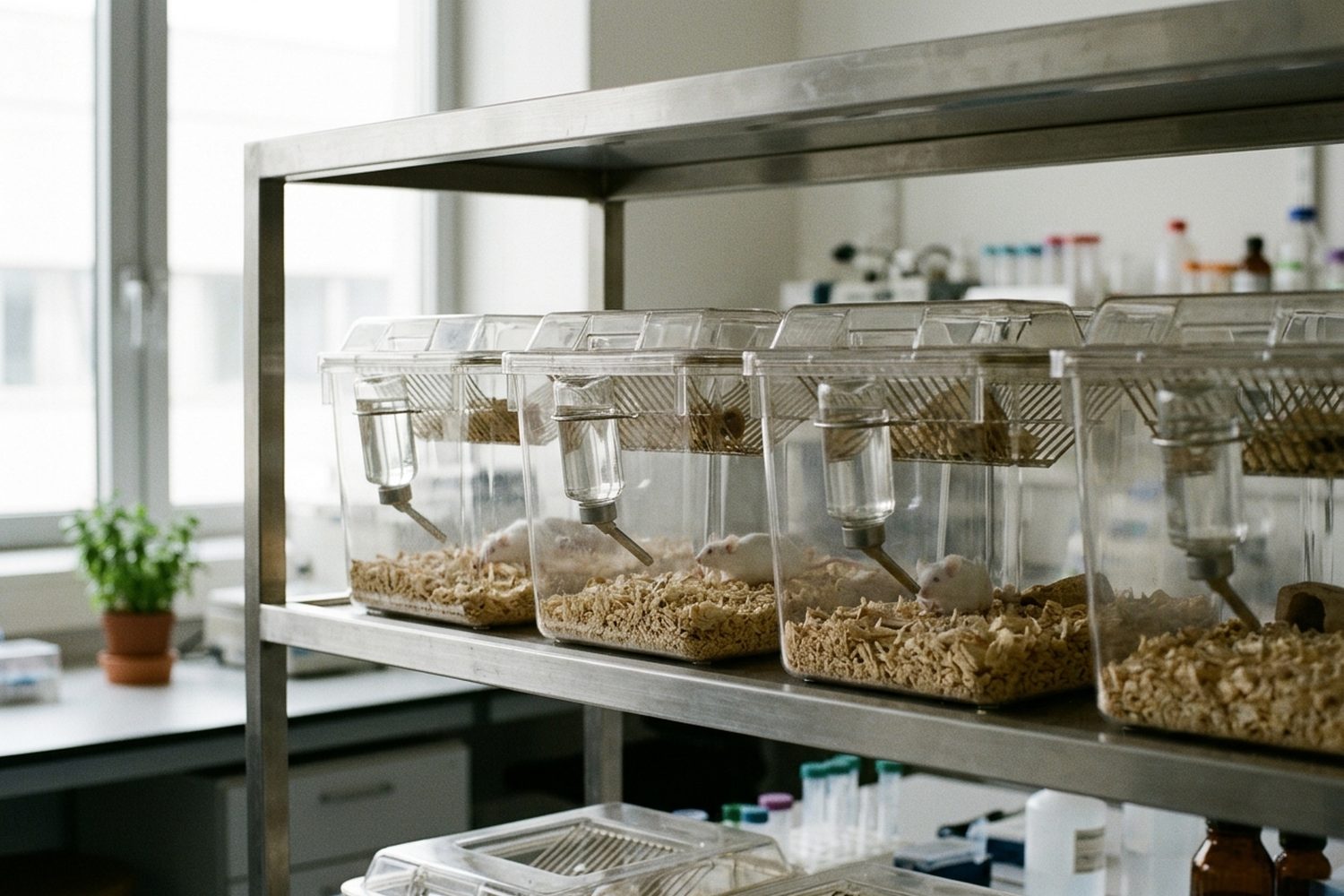
Rapamycin and Mouse Lifespan: What the Interventions Testing Program Found
Rapamycin lifespan in mice, as tested by the NIA Interventions Testing Program across three sites: the size of the effect, the sex gap, and late starts.


Everything else we have written
- The Structure of mTOR: What Cryo-EM and Crystal Structures Showed
The structure of mTOR, from crystal and cryo-EM work: a recessed, always-active kinase site, a gatekeeper FRB domain, and RHEB acting from a distance, with a bakery analogy.
- How Rapamycin Blocks mTOR: FKBP12, the FRB Domain and the Active Site
Rapamycin mechanism of action explained: it binds FKBP12, then docks on mTOR's FRB domain to block substrate access to the active site, not the pocket.
- Rapamycin and Metformin: What the Combination Did in ITP Mice
What the NIA mouse lifespan program found on rapamycin and metformin: metformin alone fell short, the pair extended median lifespan, and why that is unsettled.
- RTB101: The mTOR Inhibitor That Passed Phase 2b and Failed Phase 3
An mTOR inhibitor clinical trial that reached phase 3: RTB101 cut infections in phase 2b, then showed no benefit in 1,024 older adults. Why the endpoints differ.
- The Open Questions About Rapamycin and Ageing
Rapamycin anti aging research in late 2026: strong mouse data, a PEARL trial that missed its main endpoint, unsettled biomarkers, and dogs in TRIAD.
- Rapamycin Is Not a Supplement, Whatever the Internet Says
Is a rapamycin supplement a real thing? Rapamycin is the prescription drug sirolimus, and the mouse studies that used the word supplementation were feeding it in diet.
- Tacrolimus vs Sirolimus: Two Immunosuppressants, Two Mechanisms
Tacrolimus vs sirolimus is less a rivalry than a pairing. A FAERS analysis of 3,093 reports shows what the signals say and what they can't.
- Everolimus: The Rapalog in Cancer and Transplant Care
Everolimus in transplant and cancer trials: what the record shows on vaccine response in older kidney recipients, side effects, and why no lifespan benefit is shown.
- Sirolimus in the Clinic: Transplants, LAM and Stents
Sirolimus is approved for transplant immunosuppression. This article reviews what decades of transplant use, balloon trials and adverse event reports show, and what they miss.
- An Immunosuppressant That Might Improve Immunity: The Rapamycin Paradox
How the rapamycin immune system story splits by dose: transplant regimens suppress immunity, while low weekly doses in early human studies improved vaccine responses.
- Rapamycin and Blood Sugar: The mTORC2 Problem
Rapamycin insulin resistance explained: how mTORC1 blocking can spill onto mTORC2, what mouse and human trials show, and what remains unsettled.
- Rapamycin Side Effects: What Transplant Medicine Taught Us
Rapamycin side effects differ sharply between transplant doses and weekly low doses. See what the trials report, from mouth sores to lipids, and what is unsettled.
- Intermittent vs Daily Rapamycin Exposure: What the Research Compares
Rapamycin intermittent dosing rests on a sound theory about mTORC1 and mTORC2, but PEARL ran 48 weeks against placebo, never against daily dosing.
- Rapamycin in Dogs: The Dog Aging Project's TRIAD Trial
Rapamycin dogs: the TRIAD trial is testing a weekly low dose in pet dogs aged 7 and up, and the lifespan answer is still years away. Here is the design.
- The Everolimus Studies That Improved Vaccine Response in Older People
An everolimus immune trial in older adults raised flu vaccine response by about 20%, yet later infection trials were mixed. Here is what the data show.
- The PEARL Trial: The Biggest Human Rapamycin Ageing Study Yet
A plain reading of the pearl trial rapamycin results: 48 weeks, visceral fat unchanged, safety similar to placebo, and why lifespan remains untested in humans.
- Rapalogs: Everolimus, Temsirolimus and the Family Business
Rapalogs are rapamycin's chemical relatives. See what everolimus trials show for older immune systems, vaccines and transplants, and what no study has yet measured.
- mTOR Inhibitors: Three Generations of Drugs
An mTOR inhibitor can be a rapalog, a catalytic drug or a bi-steric compound. One cancer-paper sentence, read clause by clause, shows what each generation does.
- mTORC1 vs mTORC2: Why the Two Complexes Matter
mtorc1 vs mtorc2 explained: both use mTOR, but RAPTOR and RICTOR scaffolds split their jobs, and rapamycin's selectivity for mTORC1 fades over time.
- The mTOR Pathway, Explained Like a Thermostat
A plain look at the mTOR pathway: how the cell's growth-or-maintenance switch senses nutrients, how rapamycin blocks it, and why turning it down is not simple.
- Rapamycin and Human Longevity: The Evidence So Far
Rapamycin longevity in humans is unproven. See what mouse studies, the 48-week PEARL trial and low-dose biomarker results show, and what remains unsettled.
| Study | Who or what was studied | What it found |
|---|---|---|
| Harrison and colleagues, 2009 | Mice that started rapamycin at 600 days old | Longer lives in both males and females |
| Mannick and colleagues, 2014 | Adults over 65 given the related drug everolimus | A better response to the flu vaccine |
| Bitto and colleagues, 2016 | Middle-aged mice treated for only three months | Up to 60 percent longer remaining life expectancy |
The full evidence map lays out every major rapamycin and mTOR ageing study on one page, with species, design, result and the open question each one leaves behind. Research only, no dosing.
The Rapamycin Evidence Map
Every major rapamycin and mTOR ageing study on one page: species, design, result and the open question each leaves behind. Research only, no dosing.